Skrevet av Per Ekenberg, grunnlegger og designer av Ekenberg Scandinavia. Som grunnlegger og designer av Ekenberg Scandinavia jobber jeg tett med erfarne norske gullsmeder for å skape skandinaviske smykker. Gjennom årene har jeg hjulpet mange kunder med å velge mellom naturlige og labdyrkede diamanter, og denne guiden bygger på både gemmologisk kunnskap og praktisk erfaring.
Naturlige vs. labdyrkede diamanter
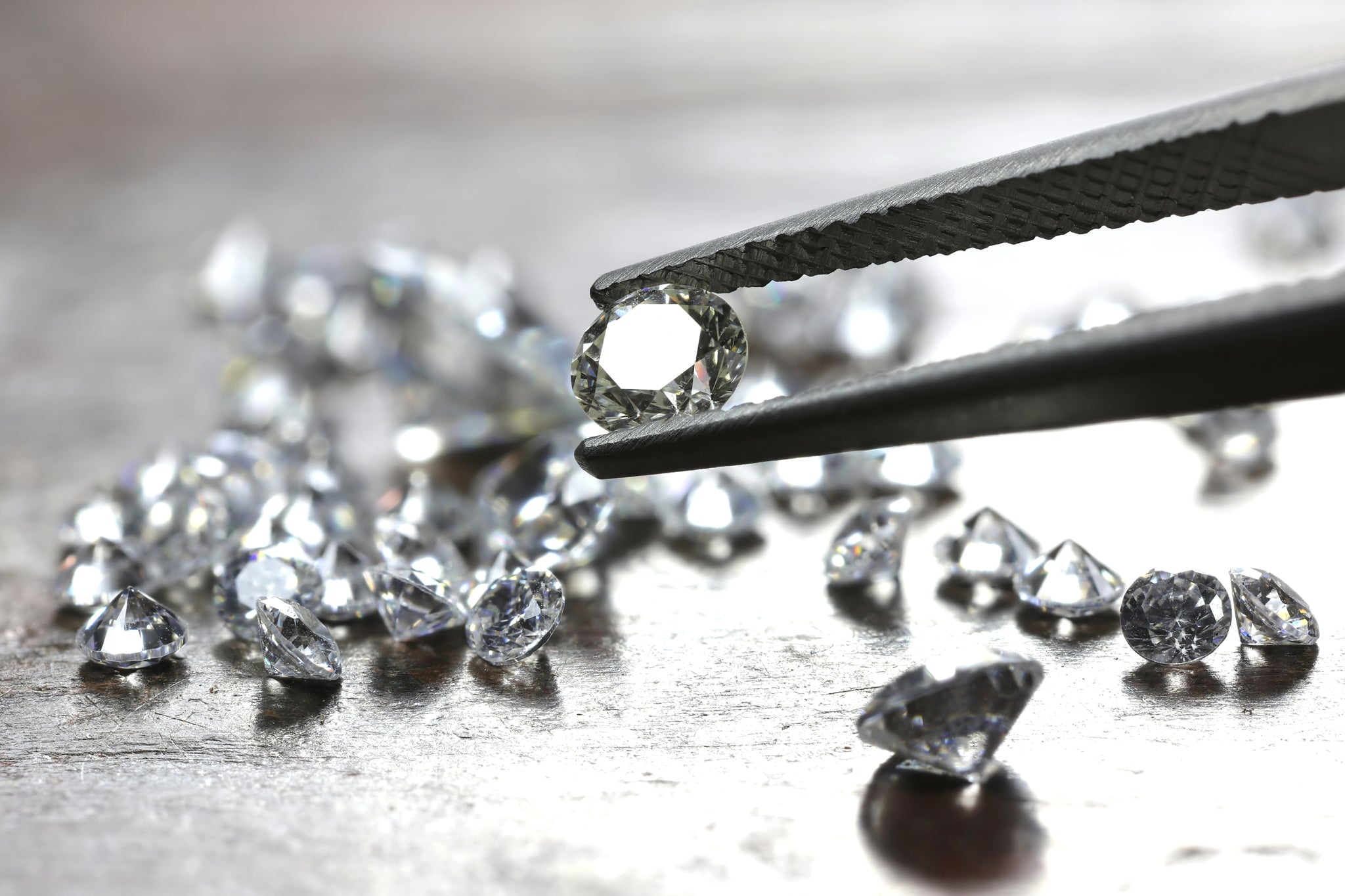
Diamanter har alltid fascinert oss med sin glans, sin holdbarhet og sin evne til å bære minner gjennom generasjoner. De siste årene har det imidlertid dukket opp et nytt alternativ på markedet: labdyrkede diamanter.
Mange av kundene våre spør oss om hva de faktiske forskjellene er, hvilket alternativ som er best for miljøet, og hva som gir den mest genuine verdien. I denne artikkelen går jeg gjennom de viktigste fakta, slik at du kan ta et informert valg som føles riktig for deg.
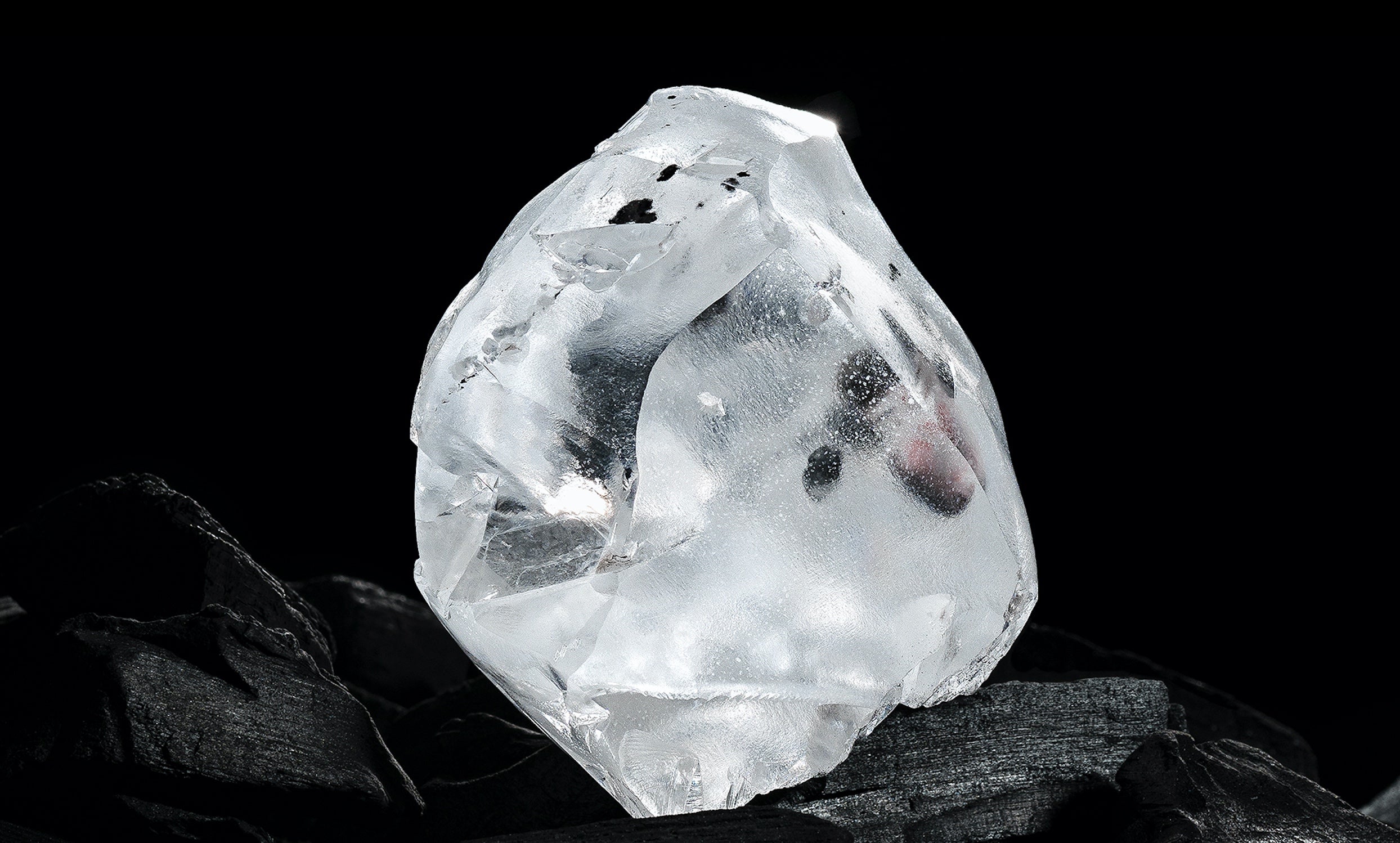
1. Hva er forskjellen på en naturlig og en labdyrket diamant?
Det korte svaret: Kjemisk og fysisk er de akkurat samme materiale.
Både naturlige og labdyrkede diamanter består av ren karbon ordnet i samme krystallstruktur. De har samme hardhet (10 på Mohs' skala), samme brytningsindeks og den samme ikoniske glansen. Forskjellen ligger ikke i hva de er, men i hvordan og hvor de ble skapt:
- Naturlige diamanter ble dannet under intenst trykk og varme, 150 til 200 kilometer dypt i jordens mantel, over 1 til 3 milliarder år.
- Labdyrkede diamanter produseres i høyteknologiske laboratorier i løpet av noen uker eller måneder, ved hjelp av avanserte metoder (som HPHT eller CVD) som gjenskaper naturens egne krefter.
2. Kan man se noen forskjell med det blotte øye?
Nei, det finnes ingen synlig forskjell. Verken du, vennene dine eller en erfaren gullsmed kan skille en naturlig diamant fra en labdyrket med det blotte øye eller en vanlig gullsmedlupe.
Begge varianter graderes etter de samme 4 C-ene (Carat, Cut, Color, Clarity – karat, slipning, farge og renhet). Den eneste måten å skille dem fra hverandre på er med spesialisert laboratorieutstyr som avdekker mikroskopiske vekstmønstre og sporelementer i steinen.
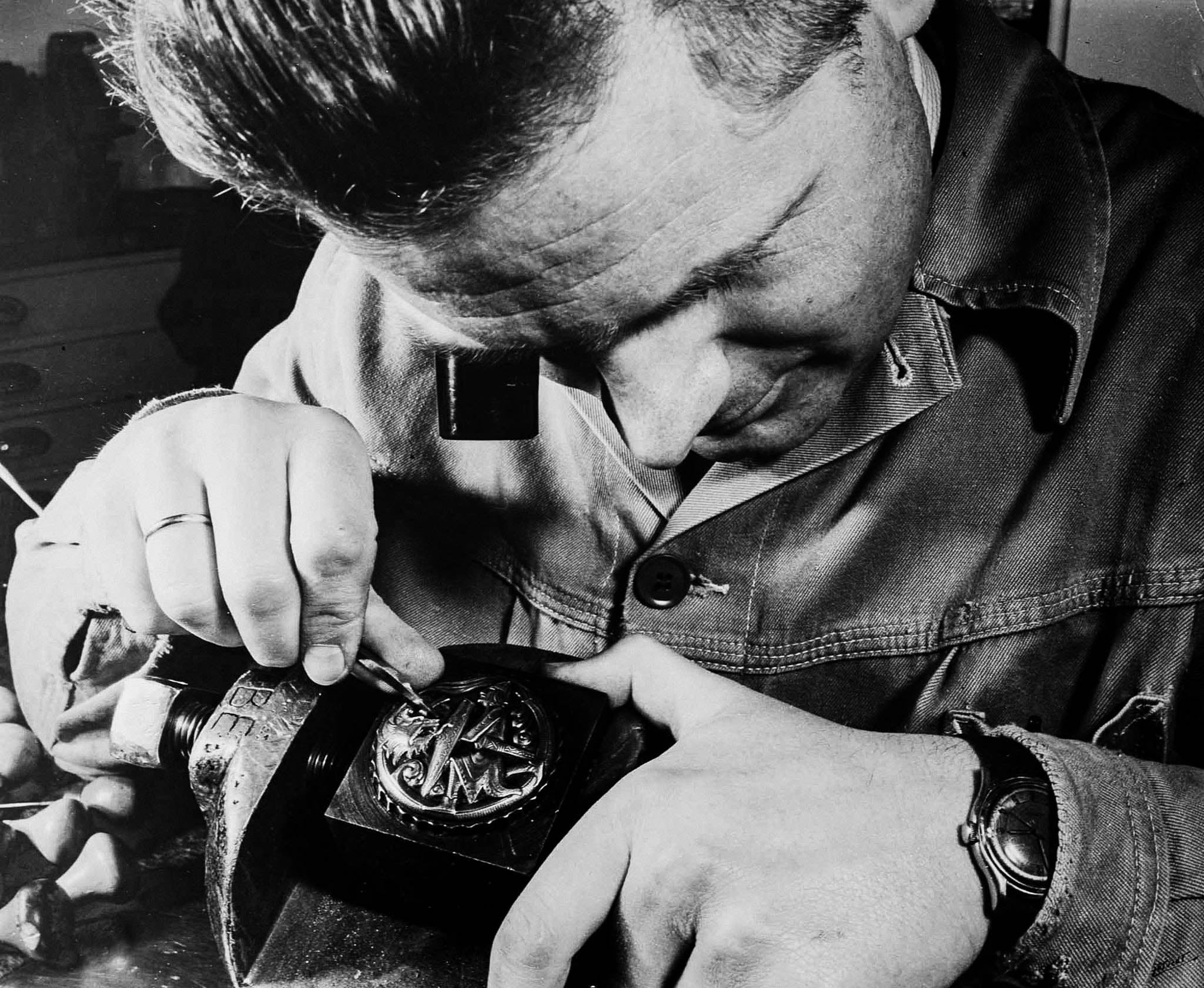
3. Hvordan skiller produksjonsprosessen seg?
Gruvedrift (naturlig): Utvinning av naturlige diamanter krever gruvedrift i stor skala fra jordskorpen. Bransjen har gjennomgått en betydelig omstilling de siste tiårene for å sikre sporbarhet og etiske arbeidsforhold, men det er fortsatt en ressurskrevende prosess.
Høyteknologisk produksjon (labdyrket): Labdyrkede diamanter skapes i kontrollerte miljøer. Prosessen krever store mengder strøm for å opprettholde de ekstreme temperaturene og trykket som skal til for å krystallisere karbon til diamant.


4. Verdi og bruktverdi – hva er forskjellen?
Det er her den mest merkbare forskjellen ligger for kjøpere:
- Startkostnad: Labdyrkede diamanter er betydelig rimeligere å produsere enn å utvinne naturlige. Du kan ofte kjøpe en merkbart større labdyrket diamant for samme budsjett som en mindre naturlig en.
- Langsiktig verdi: Fordi labdyrkede diamanter kan produseres i ubegrensede mengder, har produksjonskostnadene en tendens til å synke etter hvert som teknologien utvikler seg. Naturlige diamanter har derimot en begrenset tilgang i naturen, noe som historisk sett har bidratt til at de bedre beholder sin økonomiske verdi over tid.
For meg måles likevel den sanne verdien av et smykke ikke bare i karatvekt eller bruktverdi — den ligger i den personlige verdien og minnene du knytter til steinen.

5. Etikk og miljø – hva er egentlig best?
Det finnes ikke noe enkelt «svart-hvitt»-svar, ettersom begge alternativene har sine fordeler og avveininger:
- Etikk: Labdyrkede diamanter gir en 100 % garanti for at steinen er fri fra konfliktsoner eller menneskelig lidelse. Samtidig gir den regulerte handelen med naturlige diamanter i dag viktige arbeidsplasser og lokalsamfunnsutvikling i mange utviklingsland.
- Miljøpåvirkning: Labdyrkede diamanter krever ikke dagbrudd eller inngrep i landskapet. De krever imidlertid enorme mengder strøm. Hvis laboratoriet drives på fossilt brensel, kan karbonavtrykket være høyt, mens laboratorier som drives med fornybar energi (som sol- eller vannkraft) har en svært lav miljøpåvirkning.
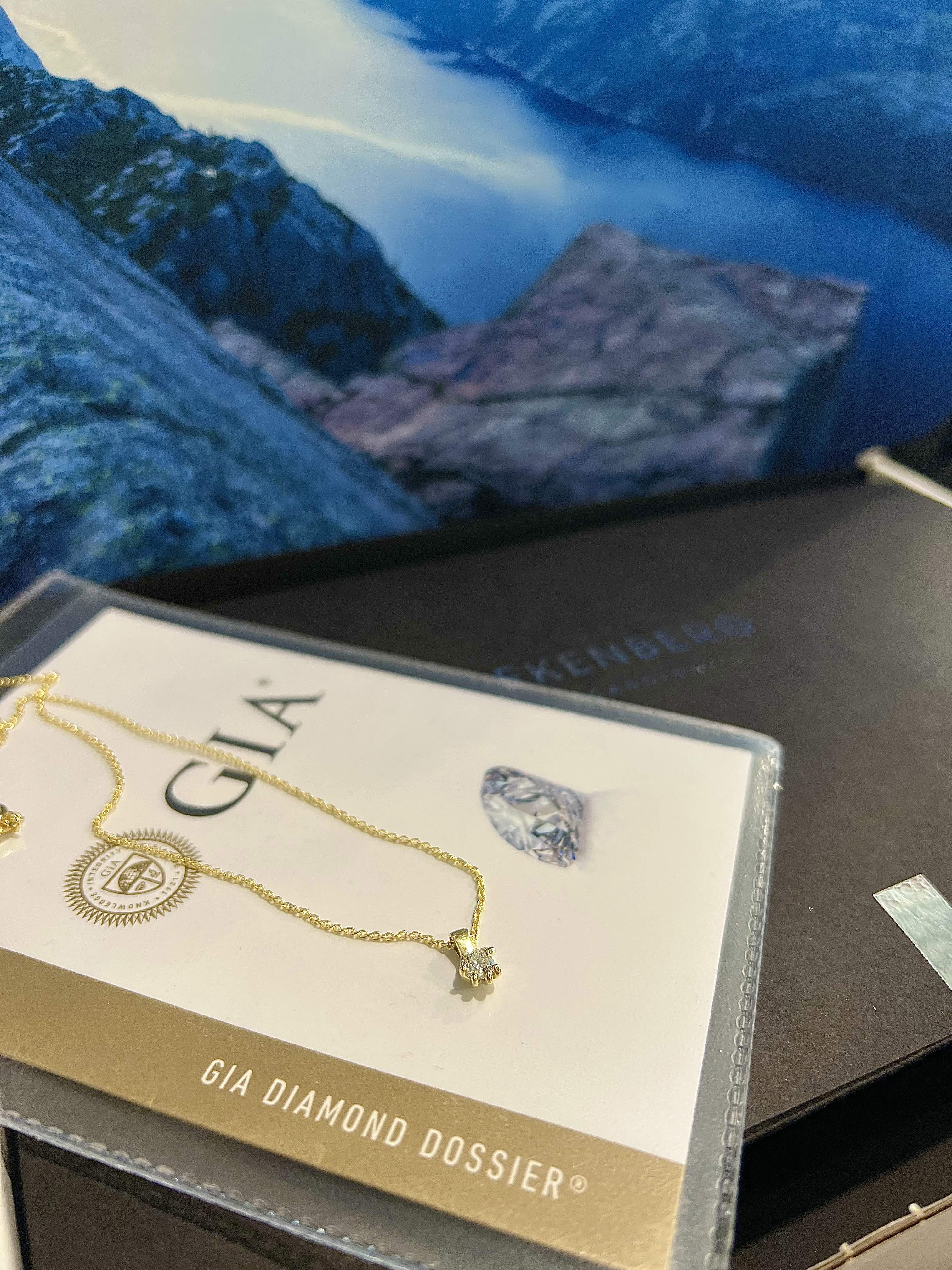
6. Finnes det sertifikater for begge alternativene?
Ja, absolutt. Uavhengige gemmologiske institutter som GIA (Gemological Institute of America) og IGI (International Gemological Institute) sertifiserer både naturlige og labdyrkede diamanter.
Sertifikatet angir de nøyaktige kvalitetsparameterne (4 C-ene) og oppgir alltid tydelig om diamanten er naturlig eller labdyrket. Labdyrkede diamanter har som regel også en usynlig laserinngravering på rundisten som bekrefter opprinnelsen.

7. Hva bruker vi hos Ekenberg Scandinavia?
Kundene våre har ulike preferanser når de skal velge mellom en naturlig eller en labdyrket diamant. For oss i Ekenberg Scandinavia er det viktigste at smykket føles helt riktig for deg å bære — derfor tilbyr vi begge alternativer.
- Naturlige diamanter som standard: Med mindre annet er ønsket ved kjøp, leveres smykkene våre med naturlige diamanter av høy kvalitet.
- GIA-sertifikat: For alle diamanter over 0,3 karat følger det med et offisielt sertifikat fra GIA (Gemological Institute of America), som garanterer steinens ekthet og kvalitet.
Oppsummering
Enten du dras mot den milliarder år lange historien til en naturlig diamant, eller den moderne innovasjonen bak en labdyrket diamant, er det viktigste at du velger en stein som gir gjenklang i hjertet ditt.
Har du spørsmål om diamantene våre, eller ønsker du veiledning i valget av riktig smykke? Ta gjerne kontakt med oss i Ekenberg Scandinavia!